
Cuba is a long, narrow island, and its distances catch people out. From Viñales in the far west to Baracoa in the far east is well over a thousand kilometres by road, and Havana to Santiago de Cuba alone is more than 850. Roads are often slow, public transport is stretched, and fuel shortages affect everything that moves. None of that should stop you, but it does mean planning fewer, longer stays rather than a new town every night.
What follows is a general picture. Timetables, prices, routes and booking systems change often, sometimes at short notice, so check everything before you go and again when you arrive.
The roads, west to east
Two main roads run along the island. The Autopista Nacional, a motorway, runs from Pinar del Río in the west through Havana and the centre, but it was never finished in the east and stops in the province of Sancti Spíritus. The older Carretera Central, completed in 1931, runs almost the whole length of the island, through the centre of most of the large towns, from Pinar del Río to Guantánamo.
Both roads are lightly used by world standards, but they carry everything: trucks, buses, horse carts, bicycles, tractors, pedestrians and animals. Surfaces vary from good to badly potholed. Signs are few, and lighting outside towns is rare.
Long-distance tourist buses
A state-run network of air-conditioned long-distance buses links the main tourist towns, among them Havana, Viñales, Trinidad, Cienfuegos, Santa Clara, Camagüey, Santiago and Baracoa. For most independent travellers this is the backbone of a trip. Tickets have usually been bought online in advance or at bus stations, sometimes paid in foreign currency, and seats on popular routes sell out in busy seasons.
Buses are generally reliable but not fast, with stops for meals and breakdowns now and then. Air conditioning can be very cold, so keep a jumper in your hand luggage. Arrive early to check in your bags, and keep your ticket to hand. Bus stations are often on the edge of town; agree any taxi fare onward before you get in, or ask your host to send someone to meet you. Routes and frequencies have been cut at times because of fuel shortages, which is another reason to check before you go.
 Further along · The eastCamagüey, the city that wanders
Colectivos, the shared taxis
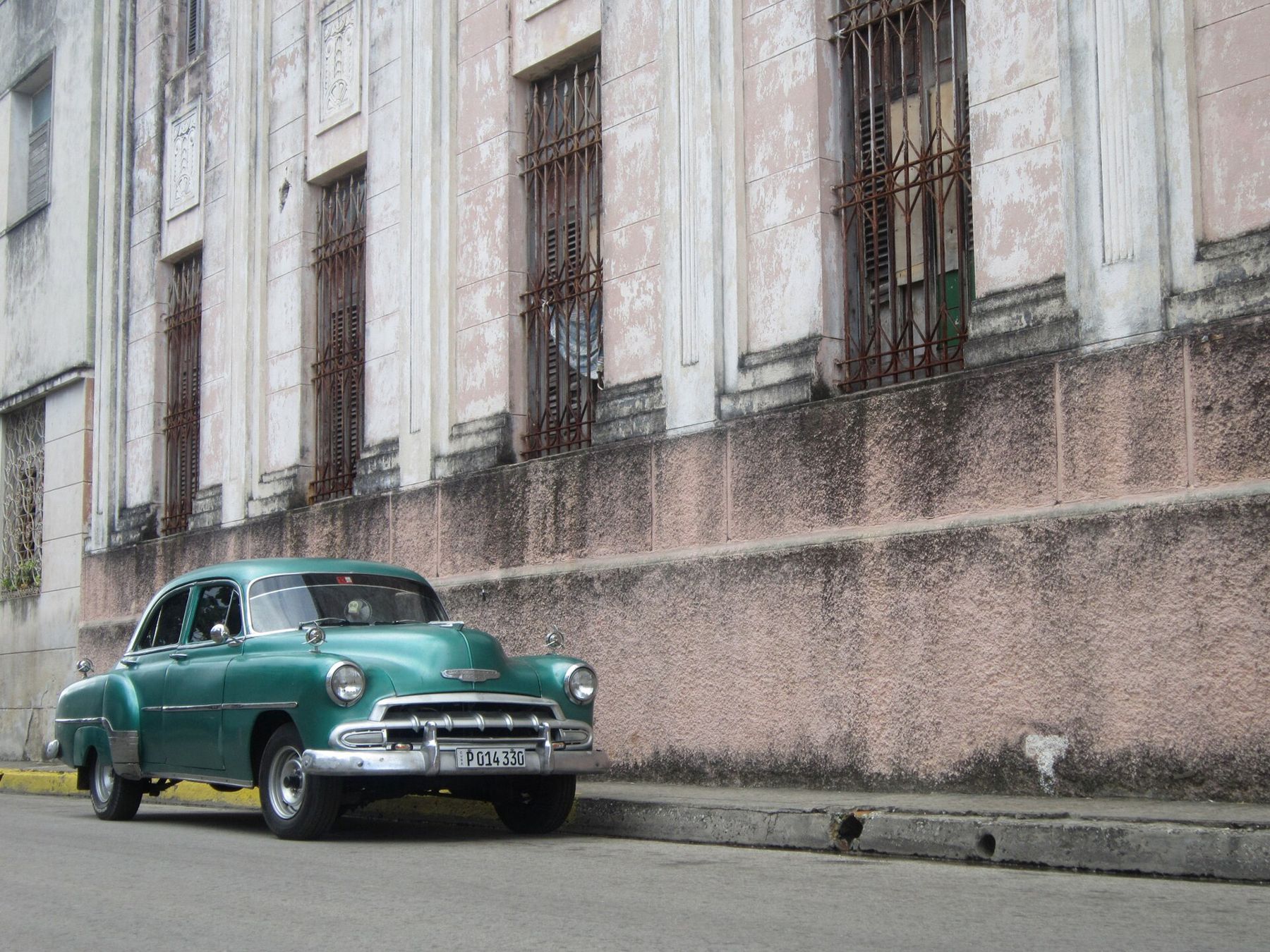
A colectivo is a shared taxi that leaves when it is full. On the main routes between tourist towns, such as Havana to Viñales or Trinidad, colectivos often compete directly with the buses, run at more convenient times and pick you up at your door. They may be anything from a modern car to a classic American car decades old, and they are usually arranged through the people you are staying with, who know local drivers.
Agree the price, the pick-up time and whether it is shared or private before you set off. Comfort and safety vary; seatbelts may be missing, and air conditioning is a matter of luck. Within cities, older shared cars also run fixed routes along main avenues, and locals hail them from the kerb.
i
Photograph by Nicola Chiariello, CC BY 3.0Rental cars and fuel
Renting a car gives you freedom to reach places buses do not go, like the coast east of Santiago or the valleys of the west, but it comes with problems. Cars are scarce and expensive and must often be booked weeks ahead. Fuel shortages have been serious in recent years, with long queues at petrol stations, and some stations sell only for particular currencies or cards. Rules and payment methods change, so check the current situation before you commit.
If you do drive, avoid driving at night. Unlit roads, potholes, animals and cyclists without lights make it dangerous. Carry a paper map or offline maps on your phone, since signs are scarce and mobile coverage drops in the countryside. Many travellers prefer to hire a car with a driver for specific days instead.
Trains, slow and uncertain
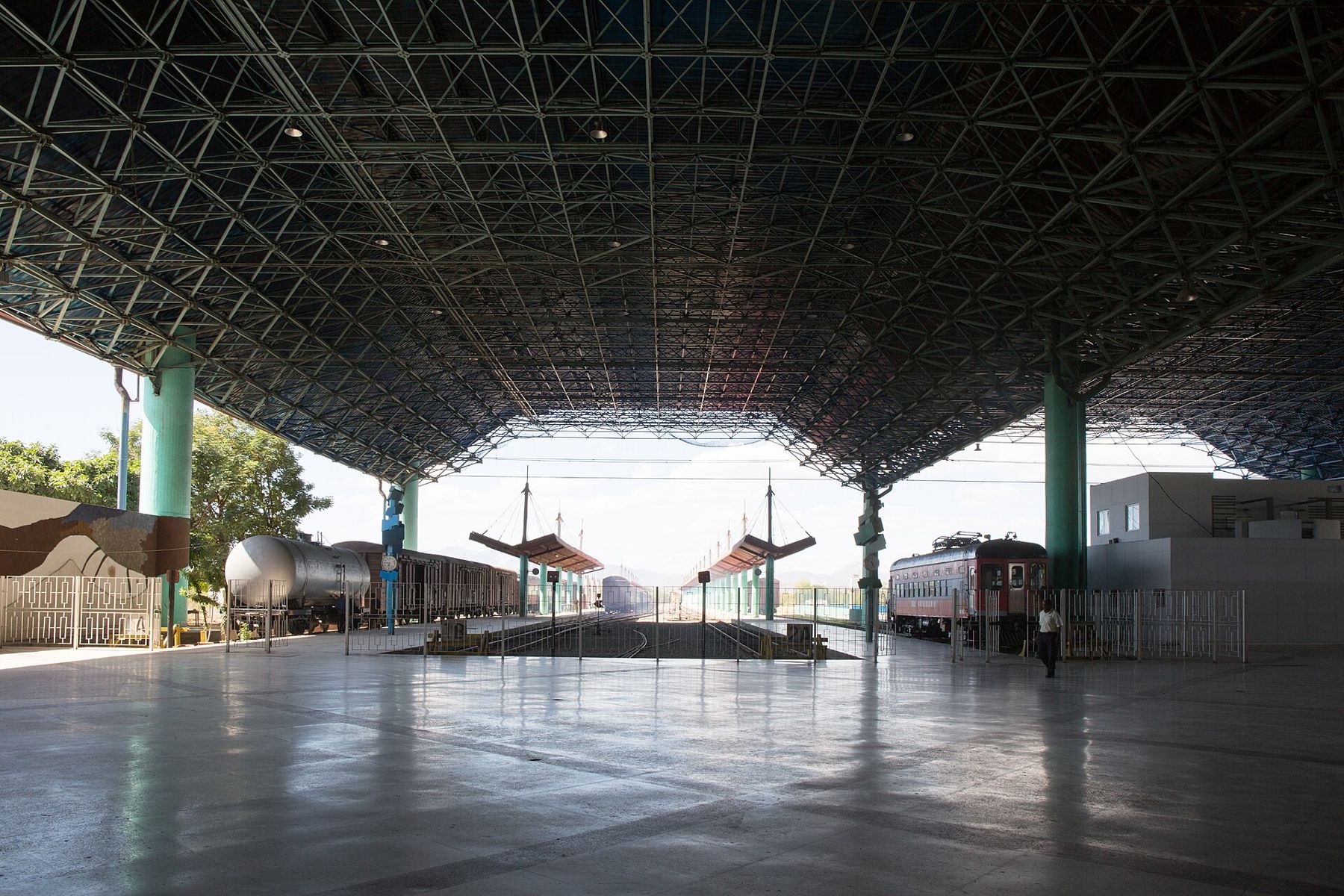
Cuba has the oldest railway in Latin America, and a main line runs from Havana through Santa Clara and Camagüey to Santiago de Cuba, with branches to other cities. In practice trains are slow, infrequent and prone to long delays and cancellations, and services are often reduced. Taking one is an experience of everyday Cuban life rather than a fast way to travel.
If you want to try, check departure days at the station, since timetables are not reliably published online, and bring food, water and toilet paper. Short local trains, such as the line through the Valley of the Sugar Mills, have also run on and off over the years.
Planning with patience
Domestic flights link Havana with some eastern cities and can save a long day, though schedules are irregular. Whatever you use, build slack into your plans: a spare day before an international flight, and no more than one long leg in a row. Shortages of fuel and power affect all transport, so keep cash on hand for a change of plan.
Weekends and holidays, especially around Christmas, New Year and the long summer school holidays, are the busiest times on every route, when Cuban families travel too. Book further ahead then, and expect fuller buses and higher demand for shared taxis.
The rhythm that works best is a few bases with day trips from each, for example Havana, Viñales, Trinidad and Santiago, with the road between them as part of the journey. For handling money on the way, see money, cards and the internet.