
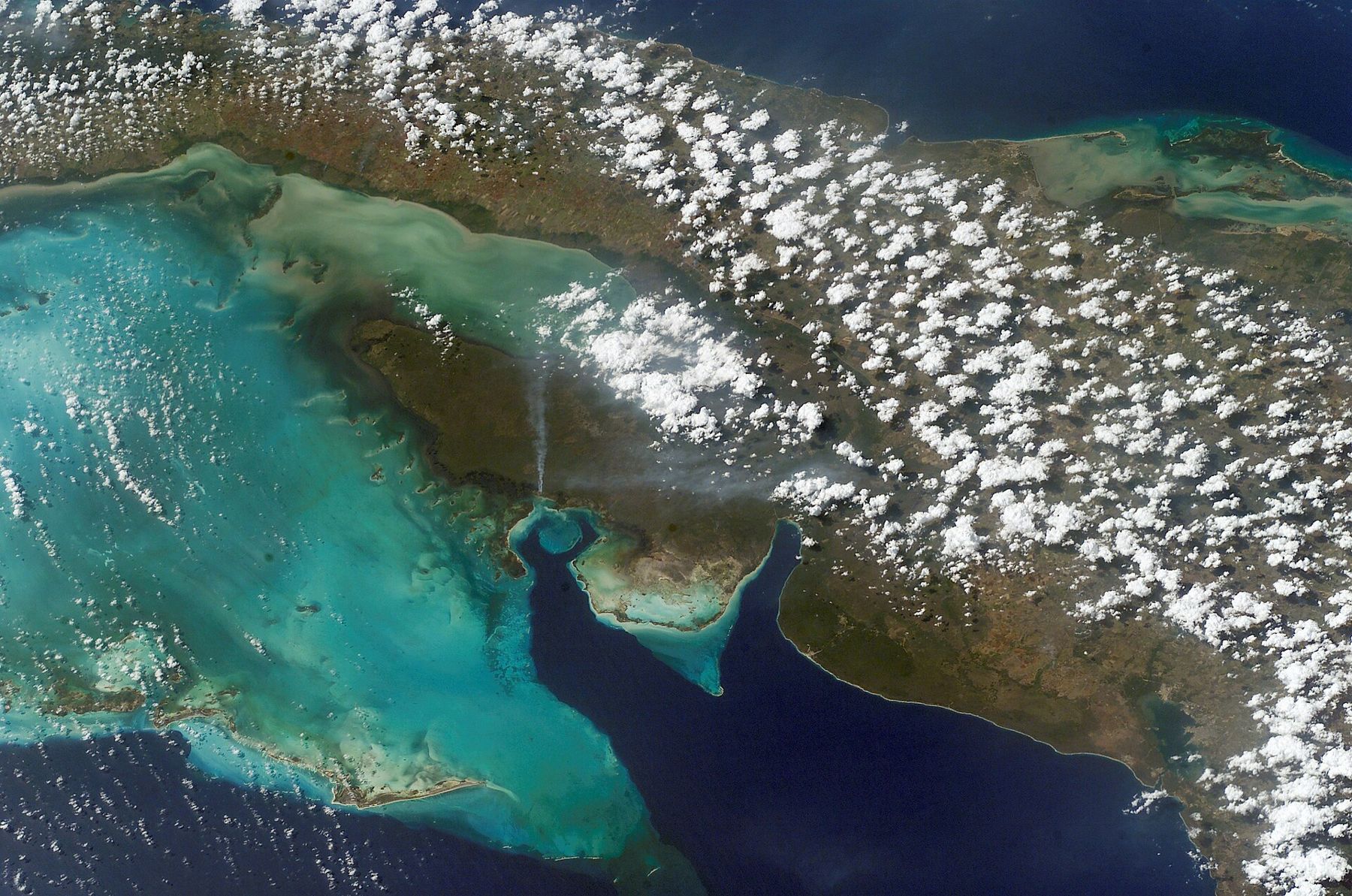
On the map, the Zapata peninsula looks like a boot pushing out from Cuba's southern coast. On the ground it is an enormous, flat expanse of marsh, mangrove, sawgrass, flooded forest and limestone, cut by channels and dotted with lagoons. The Ciénaga de Zapata, the Zapata swamp, is the largest wetland in the Caribbean, and one of the most important natural areas in Cuba. On its eastern edge, the long, narrow inlet of the Bahía de Cochinos, the Bay of Pigs, carries a very different kind of memory: the failed invasion of April 1961.
The largest wetland in the Caribbean
The Ciénaga de Zapata covers thousands of square kilometres in the province of Matanzas. Much of it is protected as a national park, and it has been recognised as a biosphere reserve and as a wetland of international importance. Its population is small, scattered in villages of charcoal burners, fishermen and park workers.
The swamp's waters filter down through porous limestone, and in many places fresh water rises in clear pools and flooded caves near the coast. The coast itself is lined with mangroves and coral reefs, which are among the healthiest in the country.
i
Photograph by Kate Perez, CC BY-SA 4.0Birds, crocodiles and the bee hummingbird
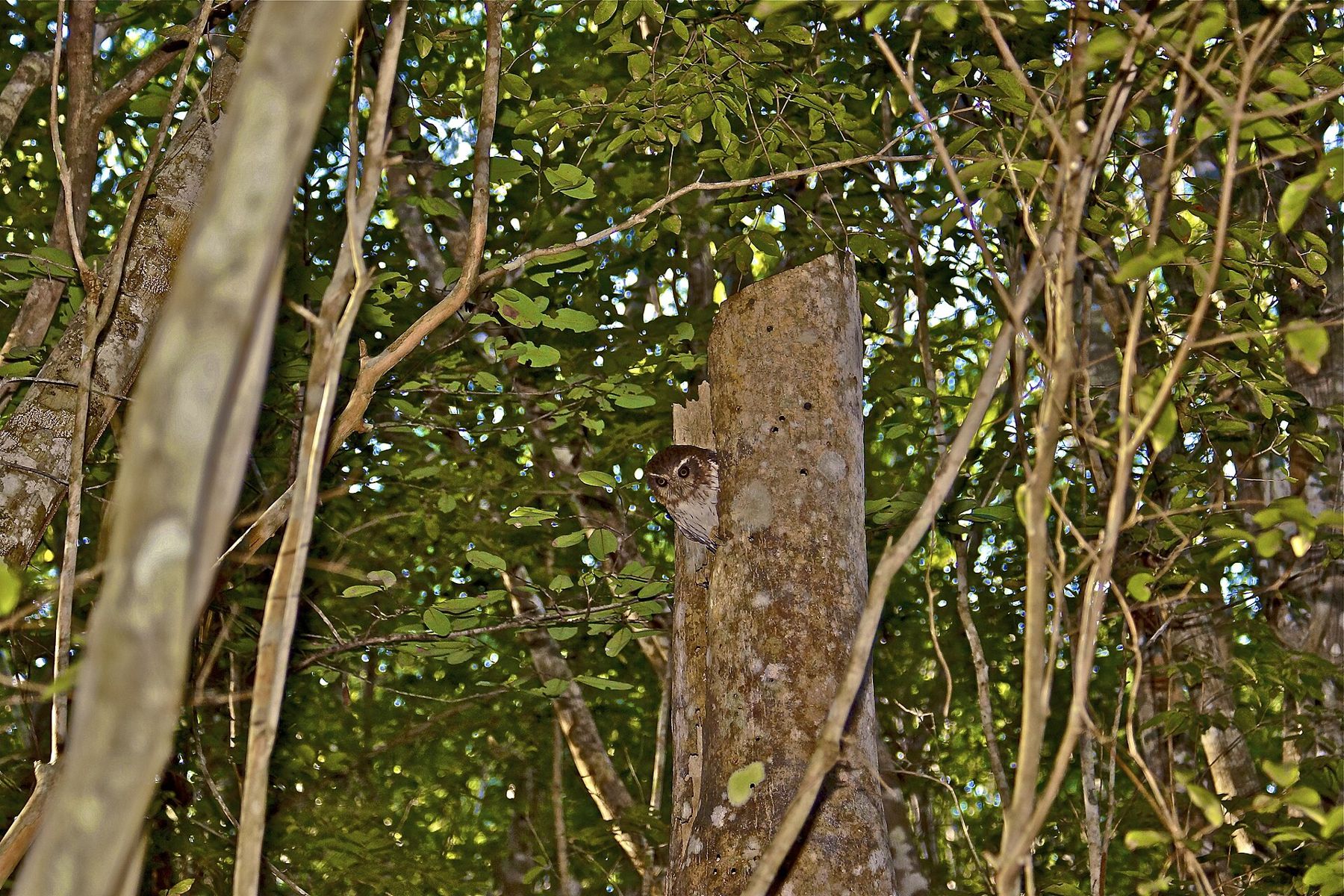
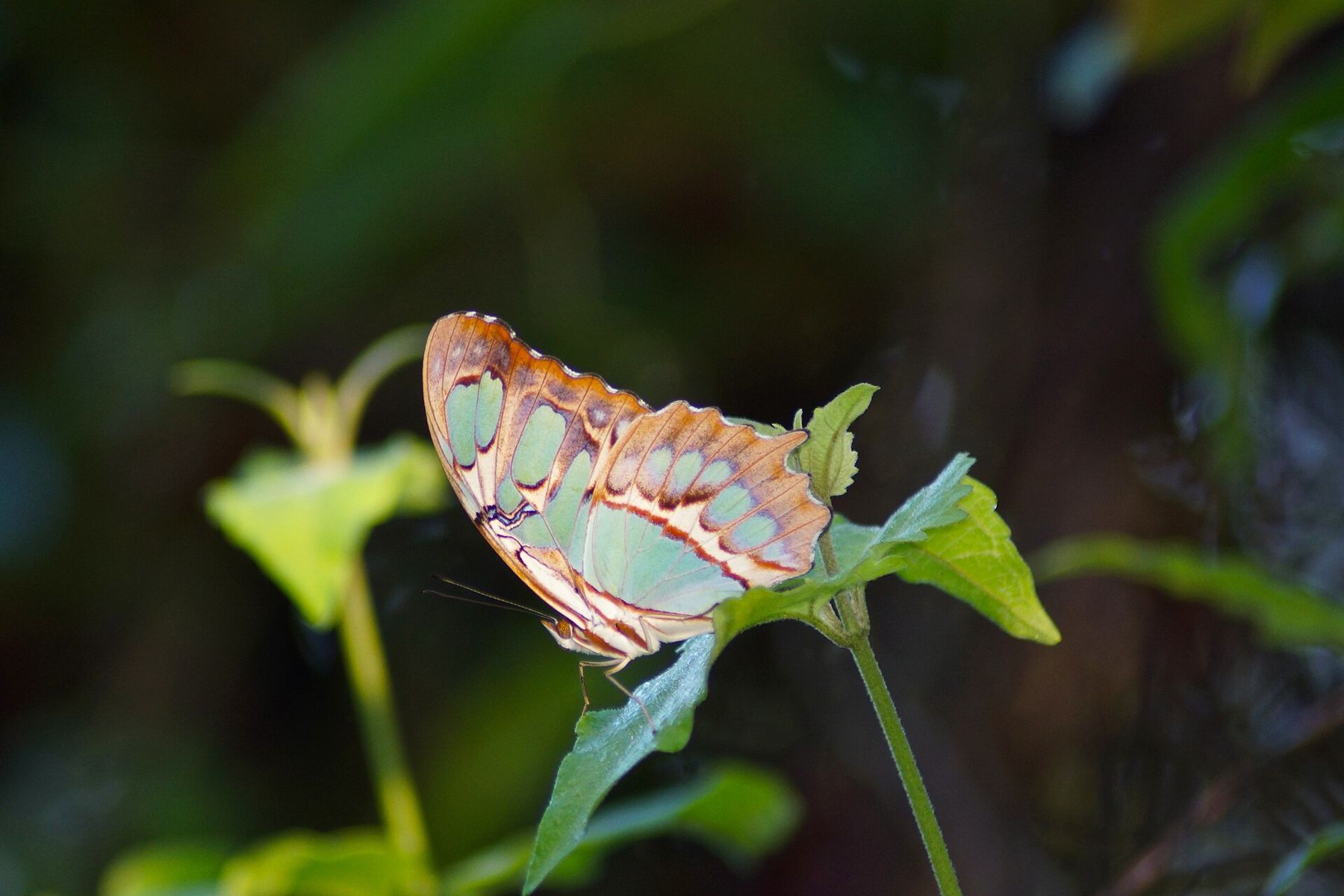
Zapata is one of the best places in Cuba to see birds, including many of the island's endemic species. The most famous is the bee hummingbird, known in Cuba as the zunzuncito, the smallest bird in the world, barely longer than a thumb joint. Others include the Cuban trogon, with its red, white and blue plumage, the Cuban tody, the bar-legged owl, and the Zapata wren and Zapata sparrow, which are found almost nowhere else. In winter, migratory waterbirds and songbirds from North America swell the numbers.
The swamp is also the main stronghold of the Cuban crocodile, a smaller, more agile and more aggressive species than its American cousin, which is critically endangered and survives in the wild only in a few places. At Boca de Guamá, on the road into the swamp, a state breeding farm raises crocodiles for conservation and release. Visitors can see the animals at different ages and learn about the programme. It is a working centre, not a zoo, and arrangements for visits change; check locally.
i
Photograph by Kate Perez, CC BY-SA 4.0To see birds well, go out early with a guide from the national park. Guides know where to find the endemic species and can arrange access to protected areas that you may not enter alone. Ask about trips at the park office at Playa Larga.
 Further along · The centreCienfuegos, the French-founded town on the bay
Playa Larga and the coast
The road into the peninsula reaches the sea at Playa Larga, a small village at the head of the Bay of Pigs with a sandy beach. From there the coast road runs south-east along the eastern shore of the bay towards Playa Girón, past reefs, flooded caves and small bathing spots.
The best known of these is the Cueva de los Peces, a deep, flooded sinkhole a short distance inland from the sea, where fresh water floats over salt water and tropical fish swim among the rocks. It is a fine place to snorkel, and there are other spots along the coast where the reef begins just a few metres from the shore. Bring your own mask and fins if you can, as rental equipment is not always available. Divers also come here for the drop-offs and caves.
The 1961 invasion, told plainly
On 17 April 1961, a force of around 1,400 Cuban exiles, organised, trained and equipped by the United States government through the Central Intelligence Agency, landed at Playa Larga and Playa Girón. Their aim was to establish a beachhead and spark an uprising that would overthrow the revolutionary government of Fidel Castro, which had taken power in 1959.
The invasion went badly from the start. Air strikes failed to destroy Cuba's small air force, ships carrying supplies were sunk, and the expected uprising did not take place. Cuban forces, including the army and the militias, counter-attacked quickly. Within three days the invaders had been defeated, and more than a thousand were taken prisoner; they were later released to the United States in exchange for food and medicine. Many people were killed on both sides.
In Cuba, the battle is remembered as a great victory, and memorials to the Cuban dead stand along the road through the swamp. In the United States, it is remembered as a major foreign-policy failure. Its consequences shaped Cuba's alliance with the Soviet Union and the crisis that followed in 1962.
At Playa Girón, the Museo Girón tells the story from the Cuban side, with photographs, weapons, documents and an aircraft outside. It is small and worth an hour, even if you have only a passing interest in history. Hours shift from season to season, so confirm them locally.
Doing it with soltura
- Getting there: Playa Larga is about three hours by road from Havana. State tourist buses serve the area on some routes, and shared taxis run too, but schedules change, so check ahead.
- Insects: mosquitoes and sandflies are fierce, especially at dawn and dusk and in the wet season. Long sleeves and strong repellent help.
- Timing: the dry months are best for birds and for comfort. Summer brings heat and storms.
- Swimming: watch out for sharp rocks and sea urchins, and never swim into flooded caves without a guide.
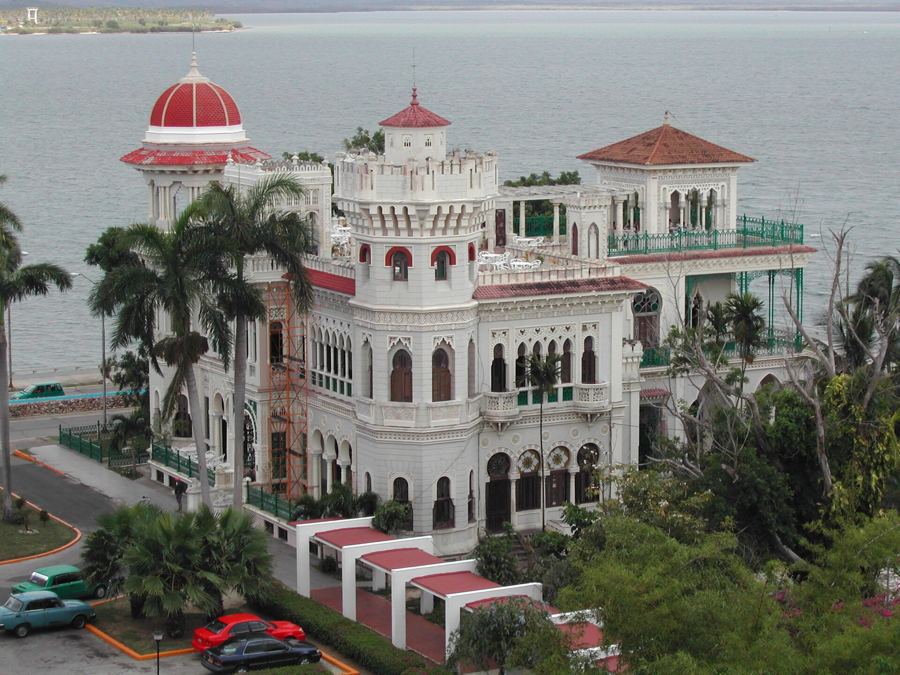
From Playa Girón, the road continues east to Cienfuegos and then to Trinidad, making Zapata a natural stop on the way from Havana into the centre of the island.