
Ernest Hemingway lived in Cuba for most of the 1940s and 1950s, and the island keeps his memory with real affection. Two places on the eastern edge of Havana hold the most of it: Finca Vigía, the hilltop house where he wrote, and Cojímar, the fishing village where he kept his boat. Together they make an easy half-day outside the city, and a chance to see a quieter Havana of hillside suburbs and seafront houses.
Finca Vigía, the house on the hill
Finca Vigía, "lookout farm", stands on a rise in San Francisco de Paula, a small town about fifteen kilometres south-east of central Havana. Hemingway first rented the house in 1939 and bought it the following year. He lived here until 1960, and it was here that he wrote much of For Whom the Bell Tolls and The Old Man and the Sea. After his death in 1961, the house passed to the Cuban state, and it opened as a museum in 1962.
The house is a single-storey colonial-style villa painted white, set in a garden of mango trees, royal palms and bougainvillea. A separate tower, built for him by his wife Mary as a writing room, rises beside it, though he reportedly preferred to write standing at a typewriter in the main house.
Seeing it through the windows
Visitors do not walk through the rooms. To protect the contents, the doors and windows are opened and you look in from the veranda that runs around the house. This turns out to be a strangely intimate way to see it. Everything appears as if he had just stepped out: thousands of books on the shelves, hunting trophies on the walls, records by the gramophone, magazines on the tables, bottles on a tray, and a bathroom wall where he pencilled his weight and blood pressure day after day.
The garden holds more: the empty swimming pool, the graves of the family's dogs, and, on the old tennis court, his fishing boat, the Pilar. This wooden cabin cruiser was built in the United States in the 1930s and was his pride: he fished the Gulf Stream for marlin from it, and during the Second World War he used it to patrol the coast looking for German submarines. It sits on dry land under a shelter, and you can walk around it.
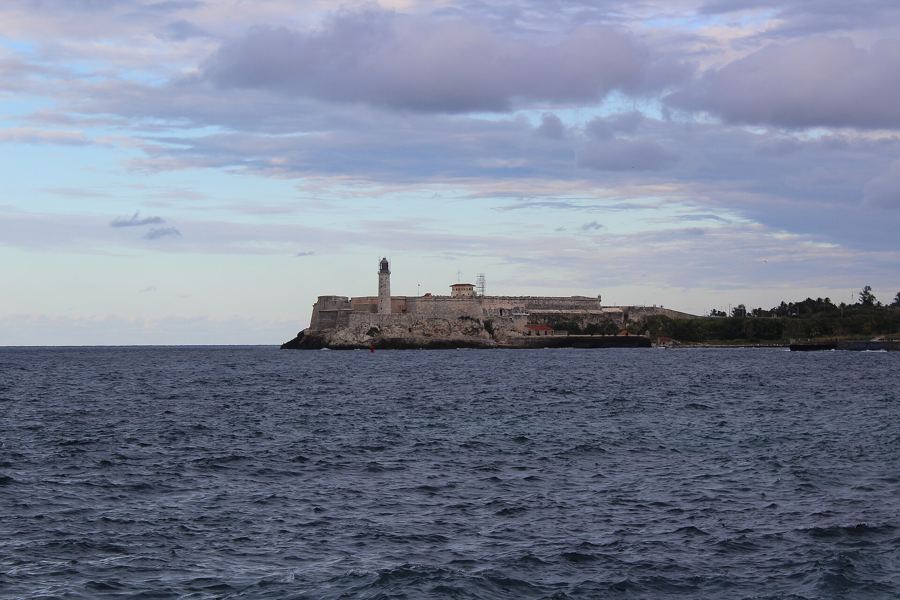 Further along · HavanaEl Morro, La Cabaña and the nine o'clock gun
Opening hours, entry fees and photography rules change, and the house sometimes closes for conservation work. Check before you go, and expect to pay extra if you want to take photographs.
Cojímar, the fishing village
Cojímar lies on the coast a few kilometres east of Havana, at the mouth of a small river. It was a village of fishermen when Hemingway moored the Pilar here, and fishing boats still go out from its little harbour. Low houses line the seafront, and there is a broad sea wall to walk along.
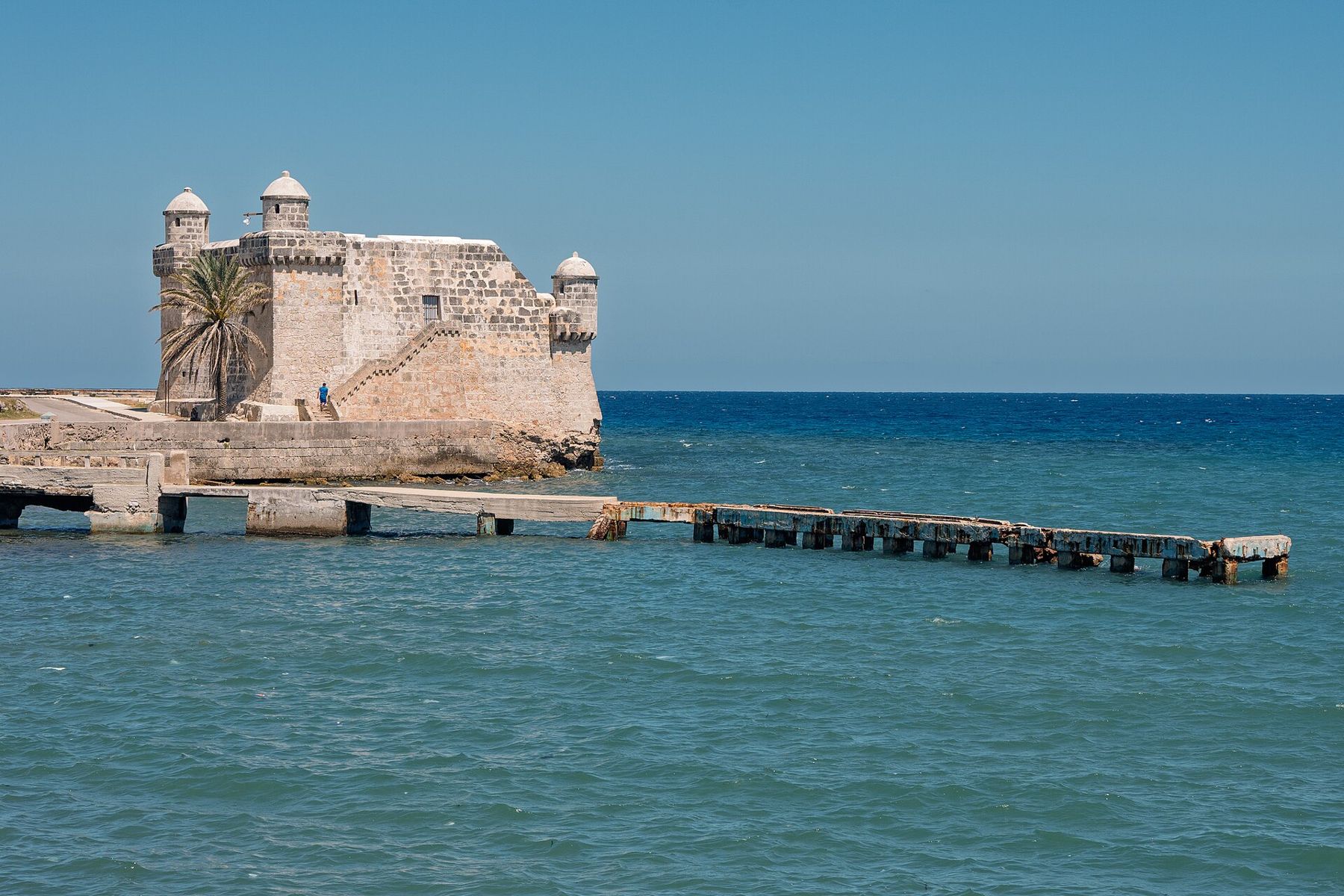
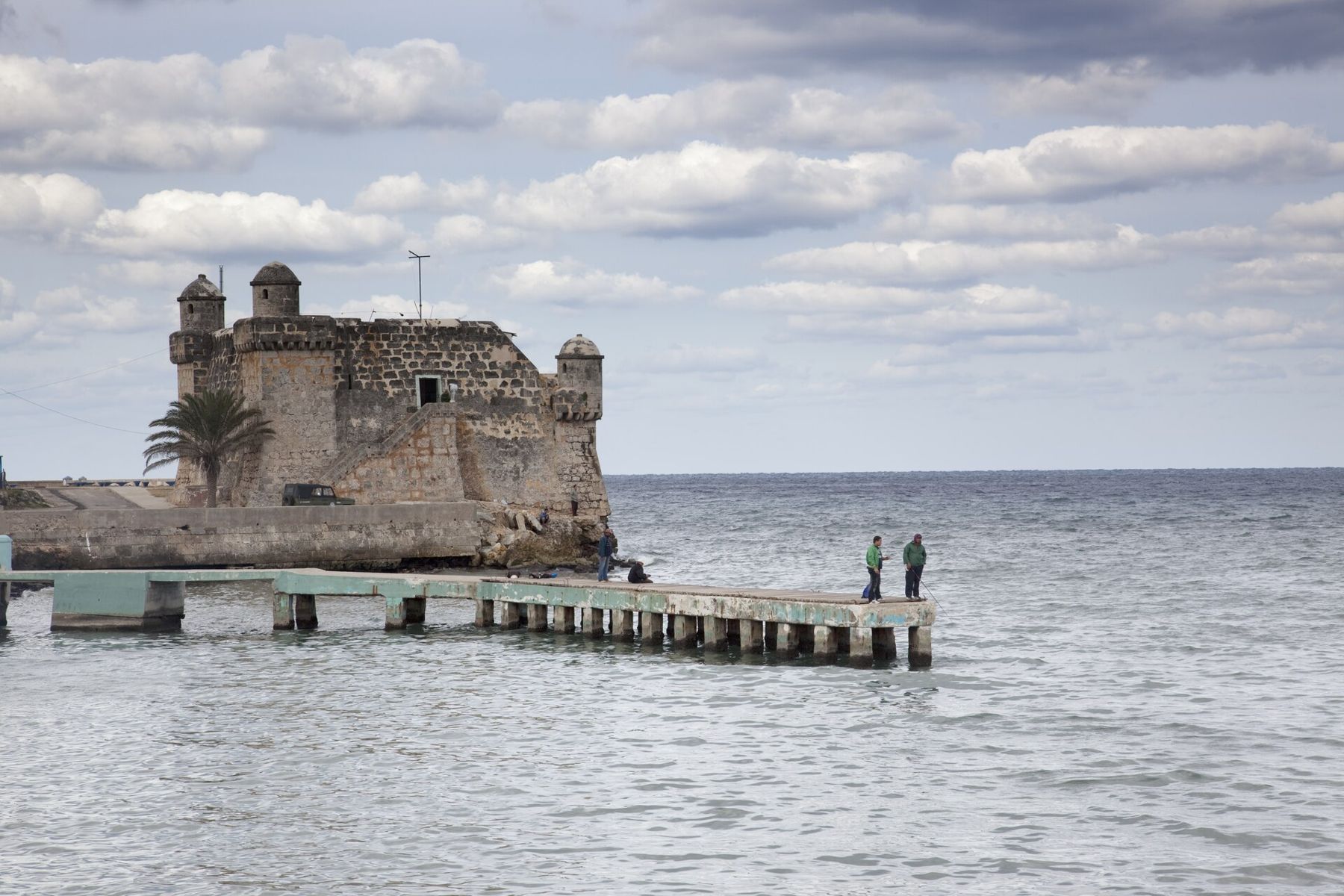
The village's oldest landmark is the Torreón de Cojímar, a small stone fort with round watchtowers at its corners, built by the Spanish in the seventeenth century to guard this stretch of coast against pirates and enemy landings. In 1762, British forces came ashore along this coast on their way to besiege Havana, and the little fort could do little to stop them. Today it stands on the rocks at the edge of the water, with a concrete pier reaching out beside it.
i
Photograph by Carol M. Highsmith, Public domainClose to the fort, a small monument holds a bust of Hemingway, raised by the people of the village after his death. It looks out over the water where he used to come and go.
The old man of the sea, told carefully
The Old Man and the Sea, published in 1952, tells of an elderly Cuban fisherman, Santiago, who hooks a huge marlin far out in the Gulf Stream and struggles for days to bring it home, only to lose it to sharks. The book won the Pulitzer Prize, and two years later Hemingway received the Nobel Prize in Literature.
Cojímar is widely seen as the village of the book, and over the years several local fishermen have been named as the model for Santiago. The most famous was Gregorio Fuentes, who worked for many years as the captain of the Pilar and lived in Cojímar until his death in 2002, at a great age. Hemingway himself drew on many sources, including stories he had heard from fishermen years before, so it is fairer to say that the village and its people shaped the book than to point to a single original. If someone in the village tells you they knew the real Santiago, enjoy the story for what it is.
Doing it with soltura
- Order: go to Finca Vigía first, ideally at opening time, before coach groups arrive. Then continue to Cojímar, which is best in the late morning or at lunch.
- Transport: both places are a taxi ride from central Havana. Agree on a price for the whole trip, with waiting time, before you set off. City buses do run but are slow and crowded.
- Heat: the veranda at Finca Vigía is shaded, but the garden and the Cojímar seafront are not. Bring water and a hat.
- Cash: entry and photography fees are usually paid in cash on site.
Cojímar also gives a sense of the coastline that continues east towards the beaches of Playas del Este. Back in the city, the fortresses described in El Morro and La Cabaña guard the same waters, and the colonial core of Old Havana holds a few more places connected with the writer, though the old city's own history is the better reason to go.